A dip in desire is one of the most common things men notice and one of the least talked about. The good news: low libido usually has understandable causes, and many of them respond well to simple, steady changes. Here's a plain-language guide to what's behind it and what you can do.
Quick answer
Low libido in men is common and usually has more than one cause: stress, poor sleep, a natural age-related dip in testosterone, alcohol, some medications and health conditions such as diabetes, high blood pressure or thyroid problems. The most effective first steps are free: better sleep, regular exercise, less alcohol and lower stress. A daily supplement such as ExtenZe can be a convenient way to support drive and stamina alongside those habits, with consistent use over about 8 weeks. If the change is sudden, lasts for months or comes with other symptoms, talk to a doctor.
What counts as low libido?
Libido simply means sexual desire, and it naturally rises and falls. A busy month, a stressful project or a bad cold can all turn it down for a while. What men usually mean by "low libido" is a lasting drop: less interest than you're used to, fewer spontaneous thoughts about sex, or feeling too tired to bother, week after week.
It's worth separating two things that often get mixed up. Desire is wanting sex; erection quality is the physical response. They influence each other, and many men notice both at once, but they can have different causes. This guide focuses on desire, and our guide on how male-enhancement supplements actually work covers the blood-flow side. If erections themselves feel softer than before, see weaker erections: common causes and what can help.
The most common causes
In most men, low libido is a stack of small factors rather than one big problem. These are the usual suspects:
| Cause | Why it lowers desire | What helps |
|---|---|---|
| Stress | Long-term stress keeps the body in "alert" mode, which pushes desire down the priority list | Daily downtime, exercise, realistic workload |
| Poor sleep | Short or broken sleep drains energy and mood and can affect hormone levels | 7–8 hours, regular bedtime; ask a doctor about snoring |
| Age | Testosterone tends to decline gradually with age, and energy often follows | Strength training, healthy weight, daily routine |
| Alcohol | Regular heavy drinking dulls desire and performance | Cut back, keep some alcohol-free days |
| Medication | Some antidepressants, blood-pressure drugs and other medicines list low libido as a side effect | Talk to your doctor — never stop medication on your own |
| Health conditions | Diabetes, high blood pressure, heart disease and thyroid problems can all affect sex drive | Regular check-ups and managing your numbers |
| Mood and relationship | Low mood, anxiety or relationship tension often show up as low desire | Talking it through, support from a professional |
Notice how many of these overlap. Poor sleep raises stress, stress makes you drink more, extra drinking worsens sleep. The upside of that overlap is that improving one area often lifts the others too.
Simple habits that help desire come back
- Protect your sleep. Seven to eight hours is one of the most underrated libido habits. Keep a regular schedule and a dark, cool bedroom.
- Move your body most days. Brisk walking, cycling or strength training support energy, mood, healthy weight and circulation — all of which feed desire.
- Eat for energy. A varied diet with protein, vegetables, nuts, seeds and whole grains provides nutrients like zinc, which the body needs for normal testosterone production.
- Go easy on alcohol. Even cutting back for a few weeks can make a noticeable difference to energy and drive.
- Make room to switch off. Stress is a desire-killer. Short daily breaks, time outdoors and time with your partner without screens all help.
- Talk about it. Low desire often feels lighter once it's shared — with a partner, a friend or a professional.
These basics matter whatever else you try. We compare them side by side with single-ingredient options in ExtenZe vs natural alternatives.
Where a daily supplement fits
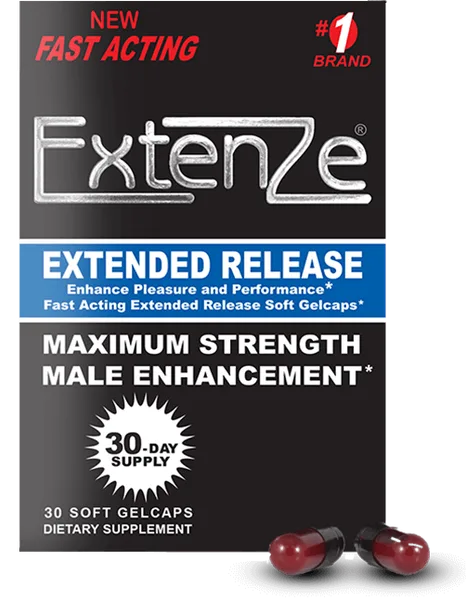
Many men like to add a simple daily supplement to those habits, and that's where ExtenZe comes in. It's a once-a-day gelcap designed to support drive, stamina and blood flow, combining nutrients and traditional botanicals — including niacin, zinc, folic acid, maca and L-arginine — in one formula, so you don't have to juggle several bottles.
The key is to treat it as a daily routine rather than an on-demand pill. The maker recommends one gelcap a day and about 8 weeks to judge the full results, which is why the 3-box option (90-day supply, $135, or $45 per box) is the most popular choice. A single box is $49, the 6-box option is $234 ($39 per box), shipping is free in the USA, and every order is backed by a 67-day money-back guarantee through the official store. For a realistic timeline, see how long ExtenZe takes to work.
A supplement works best alongside the habits above, not instead of them — and results vary from man to man.
When to see a doctor
Talk to a doctor if your libido dropped suddenly, has stayed low for several months, or comes with other changes such as constant tiredness, low mood, weight changes or erection problems. A simple check-up and blood test can rule out things like low testosterone, thyroid issues, diabetes or a medication side effect — all of which are worth catching early, and many of which are very treatable. Check with your doctor before starting any supplement if you take medication, especially for your heart or blood pressure, or if you have a medical condition.
The bottom line
Low libido is common, it's rarely "just in your head," and it usually has causes you can work on: sleep, stress, alcohol, activity and your overall health. Start with the free fixes, keep an eye on the warning signs that mean a doctor's visit, and if you'd like extra daily support, a once-a-day gelcap like ExtenZe can fit neatly into the routine. For the full picture — ingredients, pros and cons and who it suits — read our complete review or start from our home page.
Our recommendation: ExtenZe
Low desire rarely comes from one thing, so it makes sense to support it from more than one angle. Alongside better sleep, less stress and less alcohol, ExtenZe is the option we recommend for men who want simple daily support for drive and stamina.
- Made with desire in mind: traditional botanicals such as maca, tribulus and muira puama, long associated with libido.
- Supports the energy behind it: zinc, involved in normal testosterone production, plus niacin and folic acid.
- Covers the physical side too: L-arginine for the body's nitric-oxide pathway, helpful when lower desire and softer erections show up together.
- Fits a busy life: one gelcap a day, no planning around the moment.
- Low-risk start: 3 boxes $135 ($45 per box, the most popular, covering the 8-week window), free USA shipping and a 67-day money-back guarantee.
Give it about 8 weeks of consistent use, keep working on the habits in this guide, and if it helps to involve your partner, our guide on how to talk to your partner about performance problems makes that conversation easier. Results vary, and if you take medication, check with your doctor first.
Frequently asked questions
What is the most common cause of low libido in men?
There is rarely a single cause. The most common contributors are stress, poor sleep, a gradual age-related dip in testosterone, regular heavy drinking, some medications and health conditions such as diabetes, high blood pressure or thyroid problems. Several of these often overlap.
Can low libido in men come back naturally?
Often, yes. Better sleep, regular exercise, less alcohol and lower stress help many men feel more energy and desire over a few weeks. If nothing changes after a couple of months, or the drop was sudden, see a doctor to rule out a medical cause.
Does low testosterone always cause low libido?
Not always. Testosterone plays a role in sex drive, and it tends to decline gradually with age, but stress, sleep, mood, alcohol and medication are just as often behind low desire. Only a blood test can tell you whether your testosterone is actually low.
Can a supplement like ExtenZe help with low libido?
ExtenZe is a once-a-day dietary supplement designed to support drive, stamina and blood flow with consistent use. The maker recommends one gelcap a day for about 8 weeks to judge results, and it comes with a 67-day money-back guarantee. It works best alongside healthy habits, results vary, and it does not treat any medical condition.
When should I see a doctor about low sex drive?
See a doctor if your libido dropped suddenly, has stayed low for several months, or comes with other symptoms such as fatigue, low mood, weight changes or erection problems. Also check with your doctor before starting any supplement if you take medication, especially for your heart or blood pressure.